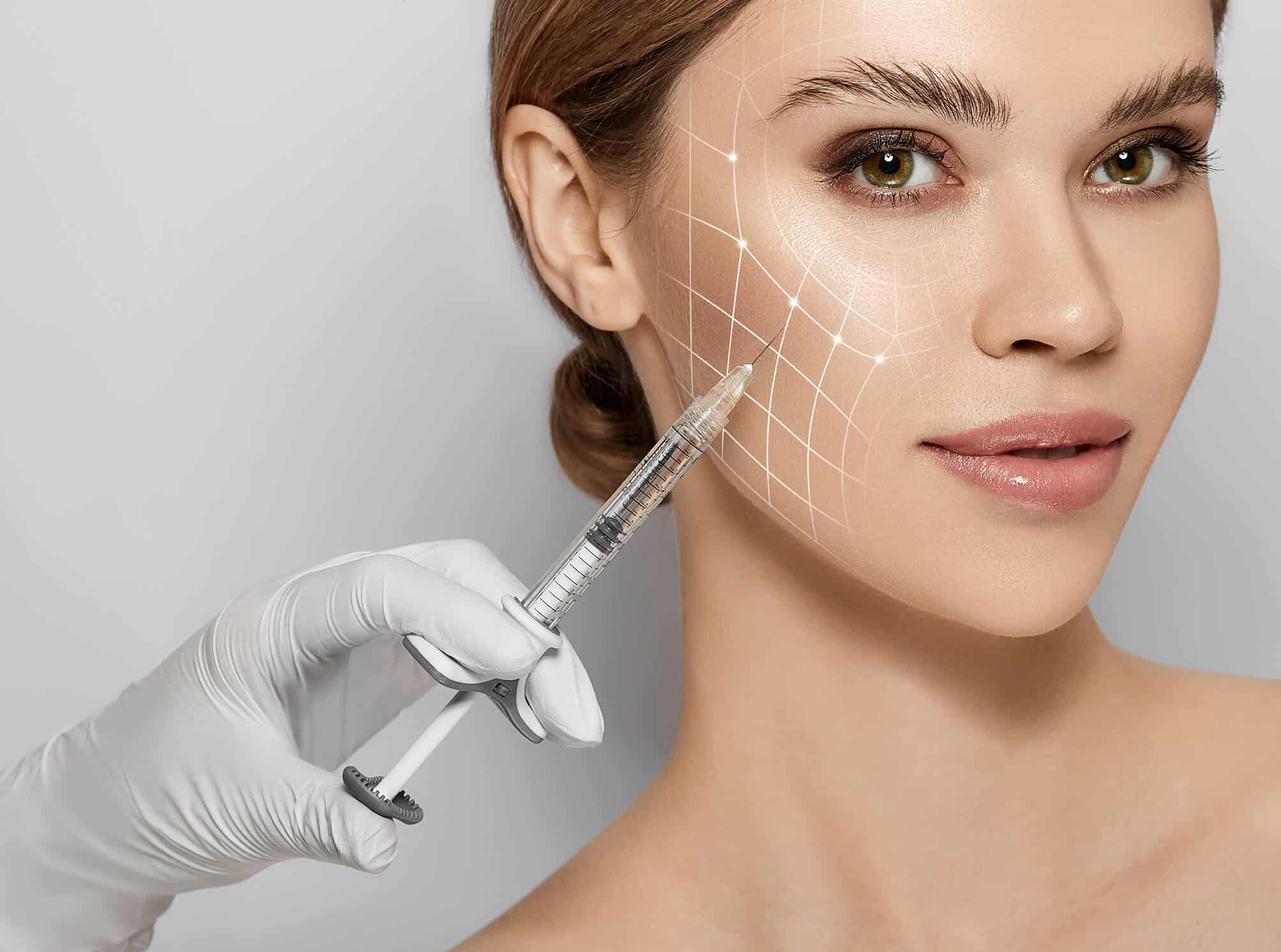
Health specialists are urging cosmetic clinics to rethink how they perform facial filler procedures after new research uncovered previously unseen risks involving blocked arteries and loss of blood supply. According to the study, complications from dermal fillers—although not common—can lead to skin damage, tissue death, facial deformity and, in severe cases, even blindness.
The findings come from an international research team led by Dr. Rosa Sigrist of the University of São Paulo, who examined 100 patients whose filler procedures resulted in vascular complications. Using ultrasound imaging, the researchers were able to identify areas where blood flow had been severely reduced or completely obstructed.
What the scans revealed
Ultrasound results showed:
- Nearly half of the patients had missing blood flow in small connecting vessels beneath the skin.
- About one-third had disruptions in major arteries of the face.
These blockages can occur when filler material is accidentally injected into, or too close to, arteries. When blood supply is cut off, tissues downstream from the artery can begin to die, leading to scarring, contour deformities, and other long-term issues.
Why certain areas of the face are especially dangerous
Dr. Sigrist’s team highlights that regions around the nose and upper lip pose the highest risk. The blood vessels in these areas connect directly to deeper vascular structures that supply critical parts of the head and face. If these vessels are affected, complications can escalate quickly and may include:
- Skin necrosis (loss of tissue)
- Permanent scarring
- Partial or full blindness
- Stroke, in very rare circumstances
Ultrasound could become a key safety tool
Researchers say the safest approach is to use ultrasound before injecting fillers, to visualize the arteries and guide the placement of the needle. The same technique can also help clinicians treat complications more precisely if they occur.
Traditionally, practitioners have injected hyaluronidase—an enzyme that dissolves hyaluronic acid fillers—into the general area where a problem is suspected. Ultrasound, however, allows them to pinpoint the exact site of blockage and use smaller doses with better outcomes.
Dr. Sigrist argues that “blind injection” should be phased out as clinics increasingly gain access to ultrasound technology.
Experts call for tighter regulation
The British Association of Aesthetic Plastic Surgeons (BAAPS) says ultrasound use is becoming more common but is still far from standard practice. Its president, Nora Nugent, emphasized that greater regulation is essential, noting that injectable aesthetic procedures should only be carried out by medically trained professionals.
These concerns come as the UK government prepares to introduce new rules for the cosmetic industry. Planned regulations would restrict high-risk procedures—including dermal fillers, Botox injections, and Brazilian butt lifts—to licensed practitioners with formal healthcare qualifications. A public consultation is scheduled for early 2026 before final decisions are made by Parliament.