Move over expensive serums—your next skincare boost might come from leftover potatoes. Researchers at the University of Aberdeen are turning discarded potato stems and leaves, known as “shaws,” into solanesol, a key compound used in coenzyme Q10 and vitamin K2, common in anti-aging moisturizers.
Traditionally discarded after harvest, these potato scraps could reduce agricultural waste, create new income for Scottish farmers, and even replace tobacco as the main source of solanesol. With Scotland producing over 12,800 hectares of seed potatoes, the potential is enormous.
Why Potatoes Matter for Skin
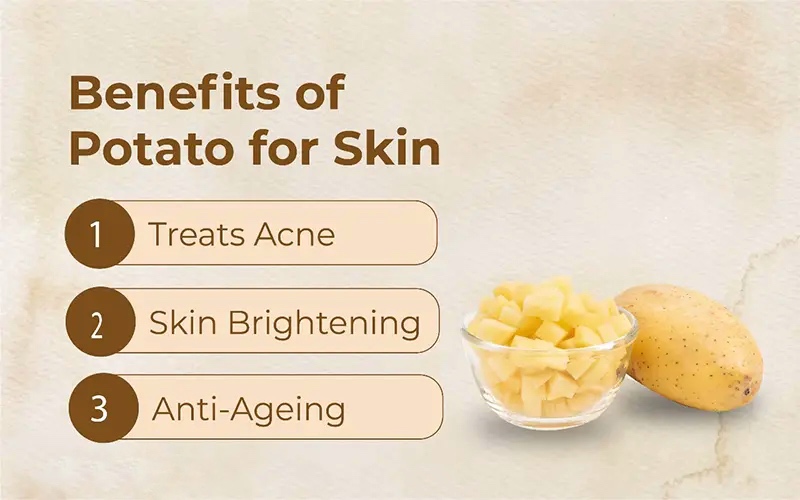
While applying raw potato slices to the face is trending on TikTok for reducing dark circles, acne scars, and puffiness, science backs some benefits. Research shows potato peel extracts may stimulate collagen production, potentially improving skin elasticity and reducing wrinkles.
Nutrition also plays a role. Potatoes, especially those rich in carotenoids like beta-carotene, can enhance skin tone and glow when eaten.
A Win-Win for Farmers and Beauty
This initiative could boost Scotland’s potato industry, support circular economy practices, and reduce environmental impact—all while supplying the beauty world with a sustainable, high-value ingredient. The humble potato, it seems, is ready to shine beyond the dinner plate.