U.S. authorities have charged a Chinese national working at an American university after allegedly uncovering an attempt to illegally bring a dangerous biological material into the United States. The case, announced publicly by FBI Director Kash Patel, has intensified concerns over foreign exploitation of U.S. research institutions and biosecurity vulnerabilities.
According to federal officials, the individual identified as Youhuang Xiang, a postdoctoral researcher from the People’s Republic of China and a holder of a J-1 visa, was charged with smuggling Escherichia coli (E. coli) into the country and providing false statements to investigators. E. coli is widely known as a foodborne bacterium that can cause serious illness, including kidney failure and, in extreme cases, death.
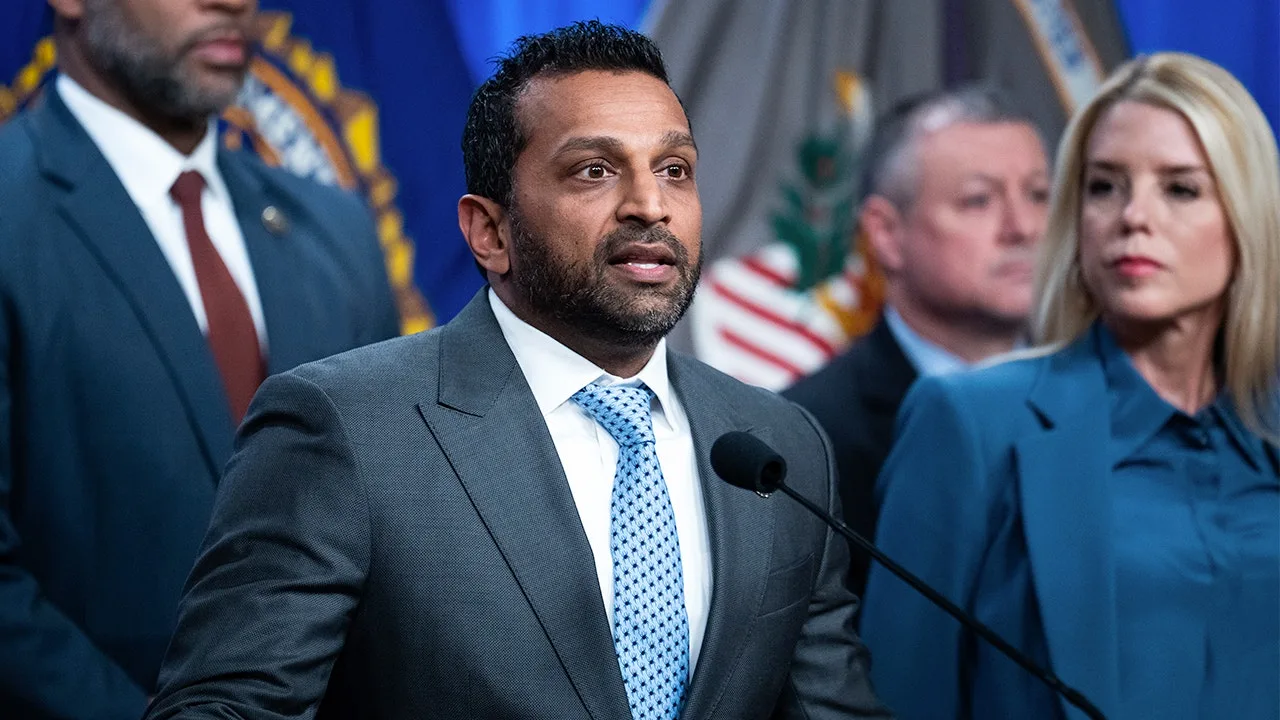
Director Patel shared details of the arrest in a post on X, framing the incident as part of a broader pattern involving Chinese-linked efforts to bypass U.S. laws. He emphasized that Xiang allegedly abused the privilege of working in an American academic institution by attempting to receive biological material concealed in a package originating from China.
“This case represents yet another example of a researcher from China who was given access to U.S. institutions and allegedly chose to violate federal law,” Patel stated. He added that such actions pose serious risks not only to public health but also to the nation’s economy and food supply.
Federal investigators warned that improperly controlled biological materials like E. coli could have devastating consequences if released or misused. While often associated with food contamination, certain strains of the bacteria can be weaponized to damage crops or disrupt agricultural systems, potentially resulting in large-scale economic losses.
The arrest comes amid heightened scrutiny of foreign researchers operating within the United States, particularly following a recent case at the University of Michigan in which Chinese nationals were accused of smuggling wheat blight, a plant disease capable of severely damaging crops. Together, these cases have fueled renewed debate over academic security and foreign access to sensitive research.
The issue has also intersected with political controversy surrounding U.S. visa policy. Critics have pointed to the large number of Chinese students—estimated at roughly 600,000 annually—studying at American universities, arguing that while many come for legitimate educational purposes, the scale of the program creates opportunities for espionage and illicit activity.
Director Patel stressed that the FBI, working alongside U.S. Customs and Border Protection, is committed to enforcing laws designed to prevent such threats. He noted that similar charges were filed against three other Chinese nationals in Michigan in November, all accused of attempting to smuggle biological materials into the country on multiple occasions.
“The FBI will not tolerate any effort to exploit our nation’s openness for illegal or dangerous activity,” Patel said, underscoring that enforcement actions will continue aggressively.
In addition to announcing the charges, Patel issued a direct warning to American universities and their compliance departments. He urged institutions to remain vigilant, ensure researchers are fully aware of import and export regulations, and follow proper licensing procedures for biological materials without exception.
He concluded by emphasizing that cooperation between universities and federal agencies is essential to protecting national security, safeguarding public health, and holding violators accountable.