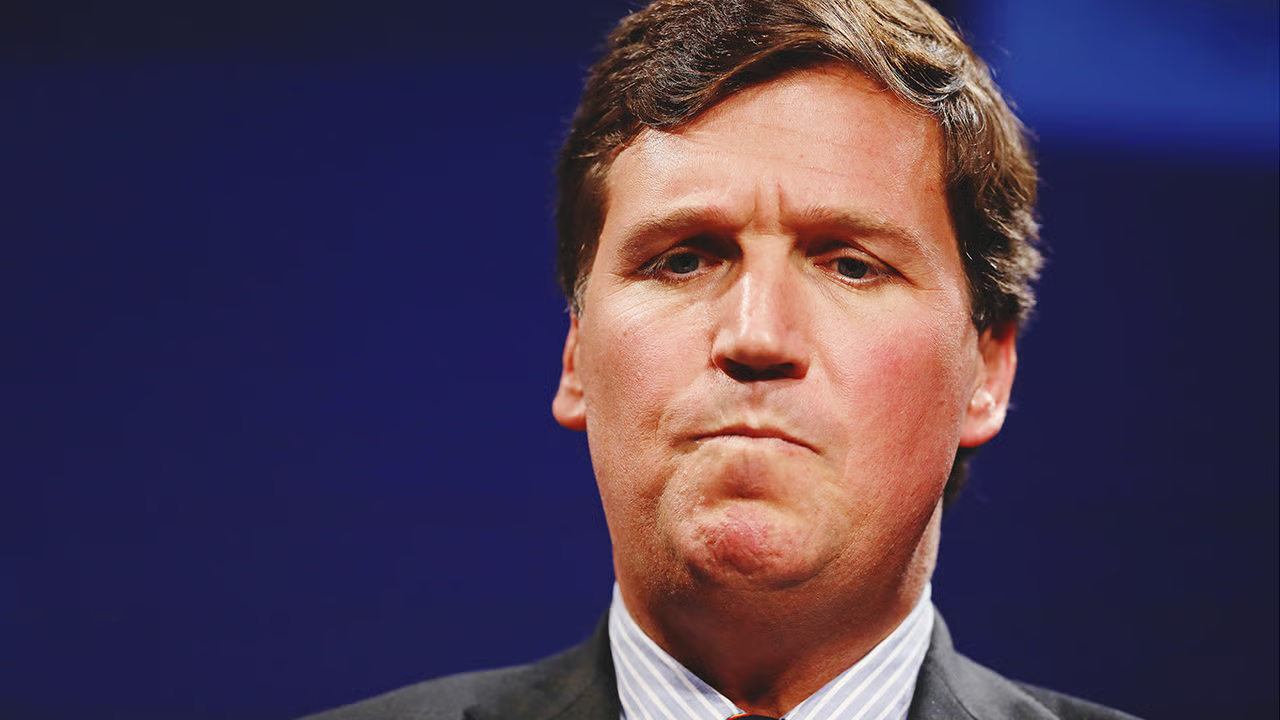
Podcaster and former Fox News presenter Tucker Carlson was voted “Antisemite of the Year” for 2025 by StopAntisemitism, a Jewish civil rights advocacy group based in Washington, D.C. The designation followed a public voting process and quickly sparked widespread debate and criticism.
Group points to media choices and messaging
In explaining its decision, StopAntisemitism cited Carlson’s large audience and his repeated decision to feature individuals associated with antisemitic narratives and conspiracy claims. The group highlighted an interview Carlson conducted in October with Nick Fuentes, a white nationalist figure who has openly denied the Holocaust and promoted extremist views.
During that interview, Fuentes made derogatory statements about Jewish communities and what he described as “organized Jewry.” StopAntisemitism also noted that Carlson used the same platform to criticize Christian Zionism and question elements of U.S. policy toward Israel.
Liora Rez, the organization’s founder, said Carlson was selected because of what she described as a pattern of rhetoric that is divisive and harmful, combined with what she characterized as repeated, sympathetic conversations with individuals known for extremist or antisemitic positions.
Context and public response
The group has previously criticized Carlson for elevating controversial voices, including writers and religious figures associated with revisionist or conspiratorial claims. According to StopAntisemitism, providing mainstream exposure to such figures risks legitimizing ideas that can contribute to hostility and discrimination against Jewish communities.
Carlson now joins a list of other high-profile media personalities who have previously received the group’s annual designation, which is intended to draw attention to what it views as troubling public behavior. Carlson has consistently rejected accusations of antisemitism, saying his commentary focuses on political issues rather than ethnic or religious groups, and that he opposes hatred in all forms. At the time of the announcement, no new public response from Carlson addressed the designation directly.
Wider debate over influence and accountability
The controversy surrounding Carlson’s interview with Fuentes has reignited broader discussion in U.S. media circles about the responsibilities of influential commentators, particularly when engaging with extremist figures. Critics argue such appearances risk amplifying harmful ideas, while defenders frame the issue as one of free expression and open debate.
Observers in both the United States and Australia have pointed out that the episode has exposed divisions within conservative movements, especially around how criticism of foreign policy, free speech, and antisemitism intersect in public discourse.
StopAntisemitism’s announcement comes amid heightened global concern about rising antisemitism and hate speech, as well as growing scrutiny of how major media platforms and prominent personalities shape public attitudes through their editorial choices.