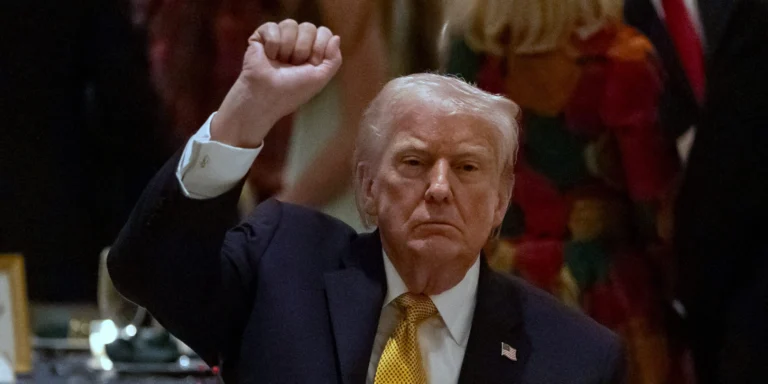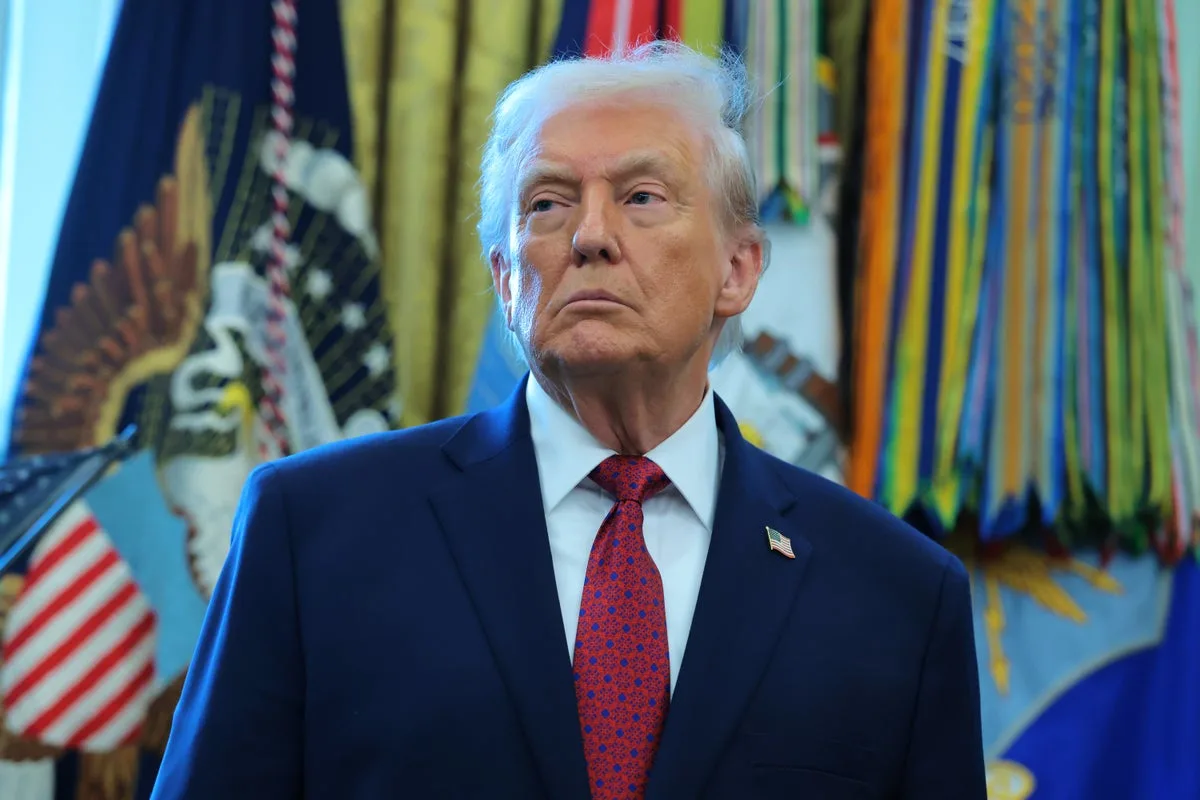
Democrats appear to be heading into the 2026 midterm elections with a notable advantage, as new polling data suggests growing voter dissatisfaction with the Republican Party and President Donald Trump’s leadership. Findings released by a polling firm run by Trump’s former chief campaign pollster indicate that Democrats are building a substantial lead nationwide, driven by economic anxiety, concerns over executive overreach, and frustration surrounding the handling of the Jeffrey Epstein files.
According to a December 18 memo from FabrizioWard, a Republican-aligned polling firm led by veteran strategist Tony Fabrizio, Democrats currently hold a seven-point advantage over Republicans on a generic congressional ballot. The survey, which sampled 1,000 registered voters across the United States, suggests a challenging political environment for the GOP less than a year before voters head to the polls.
The data aligns with broader polling trends seen across multiple independent sources. Aggregated polling from Race to the WH shows Democrats ahead by nearly five percentage points, while RealClearPolling places the Democratic lead closer to four points. While the precise margin varies, analysts agree that the trajectory favors Democrats as the midterm cycle takes shape.
Political observers say the numbers reflect a widening gap between voter expectations and the reality many Americans feel they are experiencing under the current administration. Economic issues remain front and center, with inflation, housing costs, healthcare affordability, and job security continuing to weigh heavily on public opinion.
A recent NPR/PBS News/Marist poll found that 57 percent of respondents disapprove of President Trump’s management of the economy. Many voters point to rising living costs and uncertainty in global markets following the administration’s aggressive tariff policies. The decision by Republicans in Congress to allow Affordable Care Act subsidies to expire without approving alternative relief has further fueled voter concerns, particularly among middle- and lower-income households.
Beyond economic worries, concerns about presidential power and governance are also eroding public trust. In the latest Quinnipiac University survey, 54 percent of Americans said they believe Trump has exceeded his constitutional authority. This perception follows a year marked by sweeping executive actions, including large-scale trade interventions and the deployment of military personnel in domestic operations — moves that critics argue stretch the limits of presidential power.
Even within Trump’s traditional base, signs of fatigue are emerging. An NBC News Decision Desk analysis found that both mainstream Republicans and voters who identify with the MAGA movement are increasingly pessimistic about the country’s direction. Compared with polling conducted earlier in the year, respondents were six percentage points more likely to say the United States is “on the wrong track.”
Another major flashpoint is the administration’s handling of documents related to Jeffrey Epstein. While Trump campaigned on promises of transparency, voter approval of the Justice Department’s release of the Epstein files remains low. Only 26 percent of respondents in a recent Quinnipiac poll said they were satisfied with how the matter has been handled, citing extensive redactions and unanswered questions.
The controversy has also exposed fractures within the Republican Party itself. Lawmakers such as Rep. Thomas Massie have openly criticized the administration, arguing that delays and limited disclosures undermine public trust. Even some long-time Trump allies have voiced frustration, signaling deeper ideological and strategic divides within the GOP as it approaches the midterms.
These internal disagreements mirror broader tensions between establishment conservatives and more populist factions within the party. Disputes over transparency, governance, and messaging have complicated Republican efforts to present a unified front, particularly as Democrats consolidate support among independents and suburban voters.
Facing these political headwinds, Republicans are exploring unconventional strategies to improve their prospects. In several states, GOP leaders are considering mid-decade redistricting efforts aimed at maximizing Republican representation in Congress. Meanwhile, the White House is signaling that Trump himself will play a more direct role in shaping the midterm narrative.
White House chief of staff Susie Wiles recently suggested that the administration plans to break with traditional midterm strategy. Rather than distancing congressional candidates from the president, the GOP may instead lean into Trump’s influence, betting that his presence on the campaign trail will energize low-turnout voters.
“Historically, midterms are not about the president,” Wiles said in a recent interview. “This time, we’re turning that model upside down. We’re putting him front and center.”
Whether that approach will mobilize supporters or further alienate undecided voters remains uncertain. History shows that midterm elections often serve as a referendum on the sitting president, and current polling suggests that many Americans are eager to express dissatisfaction.
As the 2026 elections draw closer, Democrats appear increasingly confident that public frustration with economic pressures, governance concerns, and unresolved controversies could translate into significant gains in Congress. For Republicans, the coming months may prove decisive in determining whether they can reverse current trends — or whether voters will once again deliver a midterm setback to the party in power.