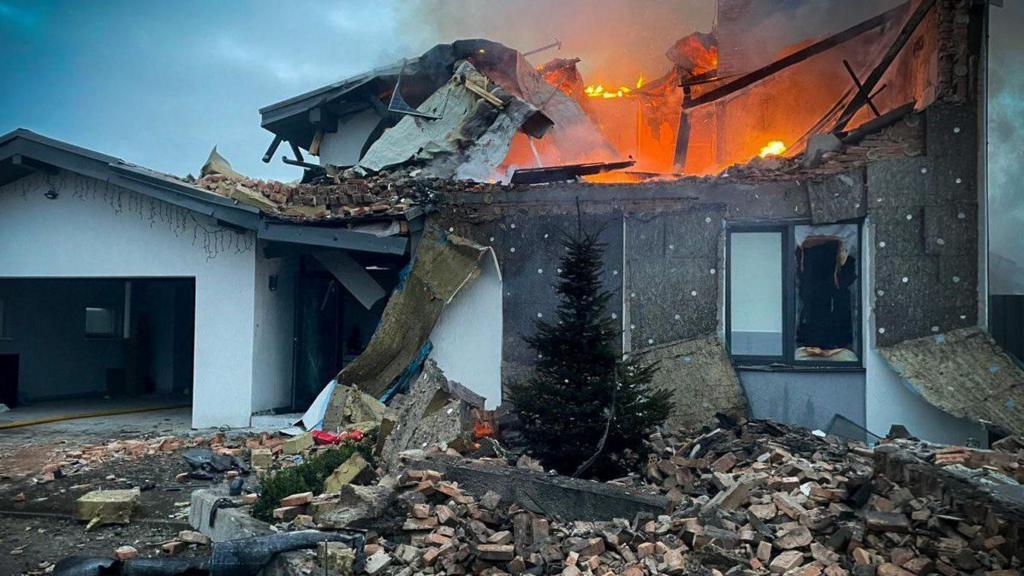
Russia carried out a “massive” overnight attack on multiple Ukrainian cities on Monday, Ukrainian President Volodymyr Zelensky confirmed, resulting in the deaths of at least three people, including a four-year-old child. The strikes targeted critical energy infrastructure, leaving large areas without power, just days before Christmas.
The attack, described by Zelensky as “an extremely clear signal about Russia’s priorities,” saw Ukraine report more than 600 drones and 30 missiles launched across the country. The president warned that Russian President Vladimir Putin “still cannot accept that he must stop killing,” emphasizing that the global response has been insufficient to curb Moscow’s aggression.
Tragic Civilian Toll
Among the victims, a young girl in Zhytomyr succumbed to injuries sustained during the strikes. Local official Vitaly Bunechko said, “She was taken to hospital, doctors fought for her life but could not save her in the end.” In addition, a 76-year-old woman in the Kyiv region was killed, along with a 72-year-old man in Khmelnytskyy, while several others sustained injuries.
Emergency responders worked swiftly at the impacted sites as residents struggled with the sudden loss of electricity. Ukrainian authorities warned that power outages could persist for days in affected regions, with temperatures expected to plummet to -7°C (19°F), heightening concerns about heating and public safety.
Energy Infrastructure Targeted
Acting Energy Minister Artem Nekrasov described this assault as the ninth major attack on Ukraine’s energy system this year, noting that supply in the Rivne, Ternopil, and Khmelnytsky regions has been “almost completely lost.” Authorities urged civilians to use energy sparingly and prepare for emergency shutdowns.
The Russian Defence Ministry claimed it targeted energy facilities and transport infrastructure, according to the state news agency Tass. In a retaliatory move, Ukraine reportedly struck a petrochemical plant in Stavropol, southern Russia, causing a fire. No casualties were reported, and nearby residential areas were unaffected, according to the region’s governor, Vladimir Vladimirov.
Military and Strategic Context
The recent attacks appear linked to escalating tensions following the killing of a top Russian general in Moscow, Lt. Gen. Fanil Sarvarov, whose death Russia has blamed on Ukraine. Observers in Kyiv believe this may have triggered Monday’s coordinated strikes across the country.
Southern Ukraine, particularly the port city of Odesa, has been a primary focus of Russian military operations in recent days. This comes after Putin threatened to sever Ukraine’s access to the Black Sea in retaliation for Ukrainian drone attacks on Russian tankers. These vessels, part of Russia’s so-called “shadow fleet,” are used to transport goods—including oil—under Western sanctions.
Polish fighter jets were scrambled in response to missile and drone activity in western Ukraine, highlighting the growing regional security concerns as the conflict continues to spill over borders.
Diplomatic Efforts Amid Escalation
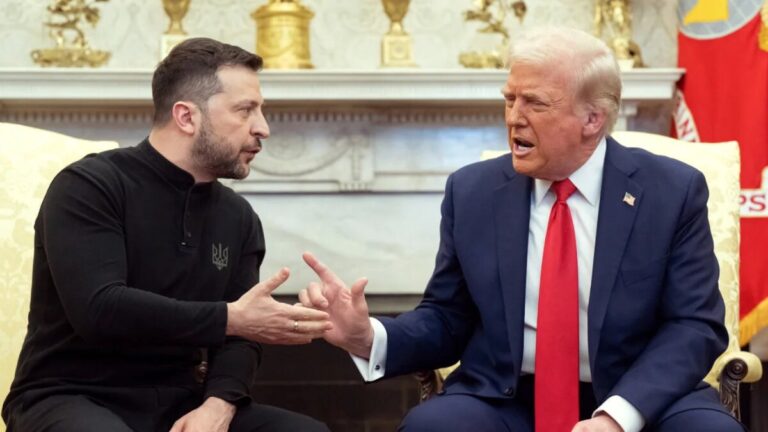
The strikes coincide with ongoing US-led diplomatic negotiations in Miami, aimed at drafting detailed proposals to end the war. Zelensky confirmed that the United States had proposed a Christmas truce, which Russia rejected. Several draft documents have reportedly been prepared, covering a basic framework for ending the conflict, future security guarantees for Ukraine, and plans for post-war reconstruction.
Putin was briefed on the talks by his envoy Kirill Dmitriev on Tuesday, while Zelensky continued to stress the importance of maintaining international pressure on Russia to halt its attacks on civilians and infrastructure.
A Christmas Shadowed by Conflict
As Ukraine grapples with power outages, civilian casualties, and a rising humanitarian crisis, Zelensky’s message was clear: the world must intensify efforts to bring Russia to account. “People simply want to be with their families, at home, and safe,” he said, highlighting the human toll behind the statistics and the urgent need for continued diplomatic action.