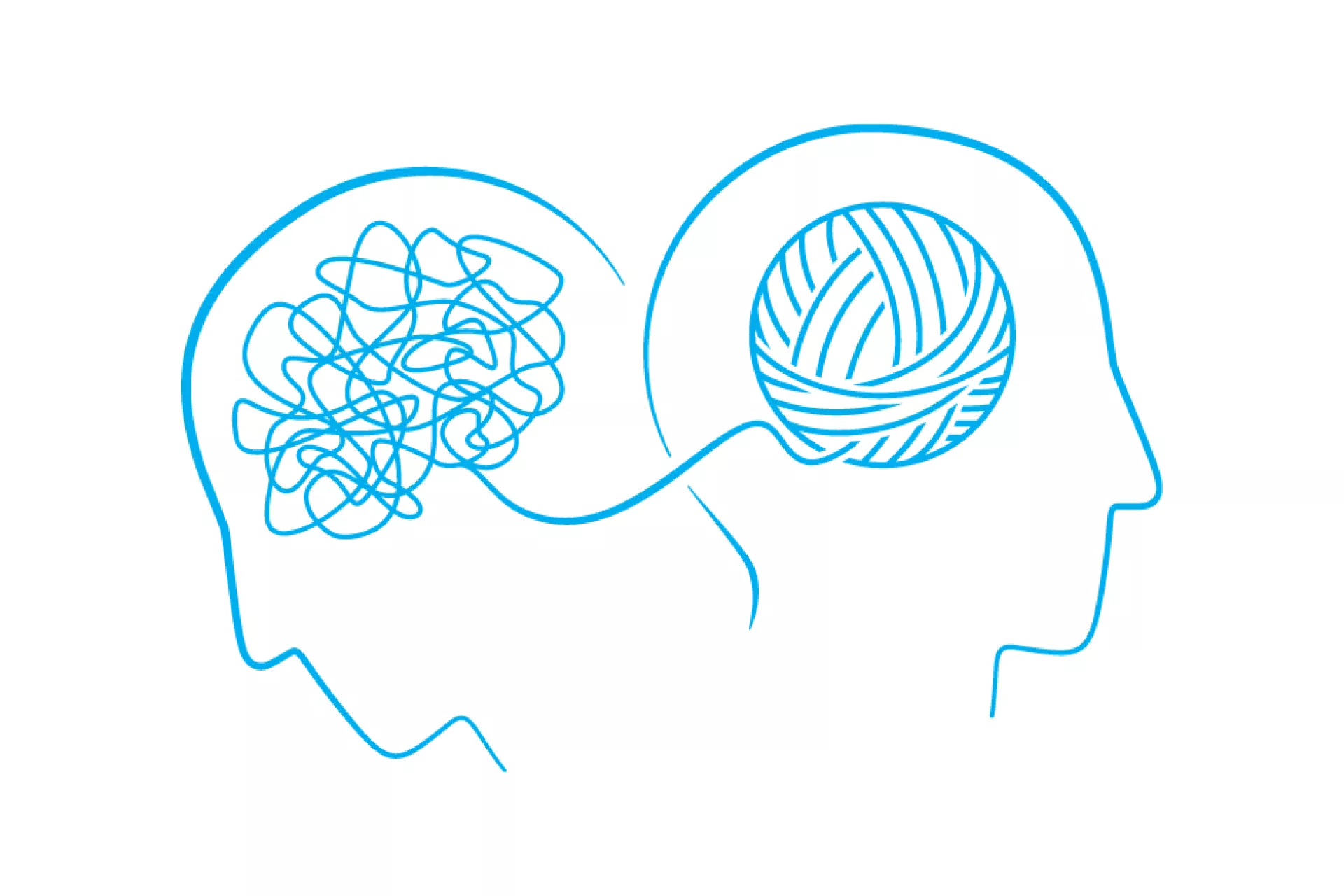
Mental health is no longer a topic that can be ignored. Around the world, millions of people are affected by conditions such as anxiety, depression, and chronic stress, yet many suffer in silence due to stigma and lack of awareness. Experts emphasize that mental health is just as important as physical health, influencing every aspect of our lives—from work and relationships to overall well-being.
Daily routines and lifestyle choices can play a major role in supporting mental well-being. Regular physical activity, sufficient sleep, and a balanced diet contribute not only to physical health but also to emotional stability. Mindfulness practices, such as meditation and journaling, help reduce stress and improve focus. Maintaining strong social connections with friends, family, and support groups is equally vital in preventing feelings of isolation and loneliness.
However, for some, self-care practices alone are not enough. Professional support, such as therapy or counseling, can be life-changing. Mental health professionals provide tools and guidance to cope with challenging emotions, process trauma, and build resilience. In recent years, teletherapy and online mental health services have made access to support easier than ever, breaking barriers for those who may feel hesitant to seek help.
Governments and organizations worldwide are actively raising awareness about mental health, encouraging open conversations, and promoting policies that protect and support individuals struggling with mental health challenges. Education and early intervention can prevent many issues from worsening and help create communities where mental well-being is a priority.
Key Fact: According to the World Health Organization, one in five people will experience a mental health issue at some point in their lives. Despite this prevalence, stigma and misinformation continue to prevent people from seeking help. By fostering understanding and compassion, society can ensure that everyone has access to the care and support they need.
Taking care of your mental health is not a luxury—it is a necessity. Whether through self-care routines, professional support, or community engagement, prioritizing mental well-being is essential for living a balanced, healthy, and fulfilling life.