U.S. inflation slowed unexpectedly last month, according to data delayed and likely distorted by the recent federal government shutdown, but many Americans say they are still struggling with the high cost of living.
The Labor Department reported Thursday that the consumer price index (CPI) rose 2.7% in November compared with a year earlier. While this marks a slight cooling from September’s 3% increase, year-over-year inflation remains well above the Federal Reserve’s 2% target, leaving Americans still feeling the pinch.
The report had been delayed eight days due to the 43-day federal shutdown, which also prevented the Labor Department from compiling overall consumer price numbers and core inflation data in October. Thursday’s report provided the first official look at CPI since September, which was released on Oct. 24.
Economists caution that the numbers may be misleading. “It’s likely a bit distorted,” said Diane Swonk, chief economist at KPMG. “The good news is that it’s cooling. We’ll take a win when we can get it. But the data is truncated, and we just don’t know how much of it to trust.” Swonk noted that disruptions to the economy during the shutdown, particularly in government contracting, may have contributed to the apparent slowdown in prices.
Energy prices, driven higher by fuel oil, rose 4.2% in November. Excluding volatile food and energy costs, core inflation increased 2.6%, compared with a 3% year-over-year gain in September and the lowest core inflation reading since March 2021.
Despite some signs of easing, inflation remains stubbornly high, partly as a result of President Donald Trump’s tariffs and import taxes imposed on goods from numerous countries, as well as targeted tariffs on steel, aluminum, and automobiles. Economists say the tariffs have been less inflationary than feared but still put upward pressure on prices, complicating the Fed’s decisions on interest rates.
The Federal Reserve recently cut its benchmark interest rate for the third time this year but signaled only one more cut may come in 2026. Analysts suggest the Fed will likely focus on December’s CPI data, due mid-January, as a clearer indicator of inflation trends.
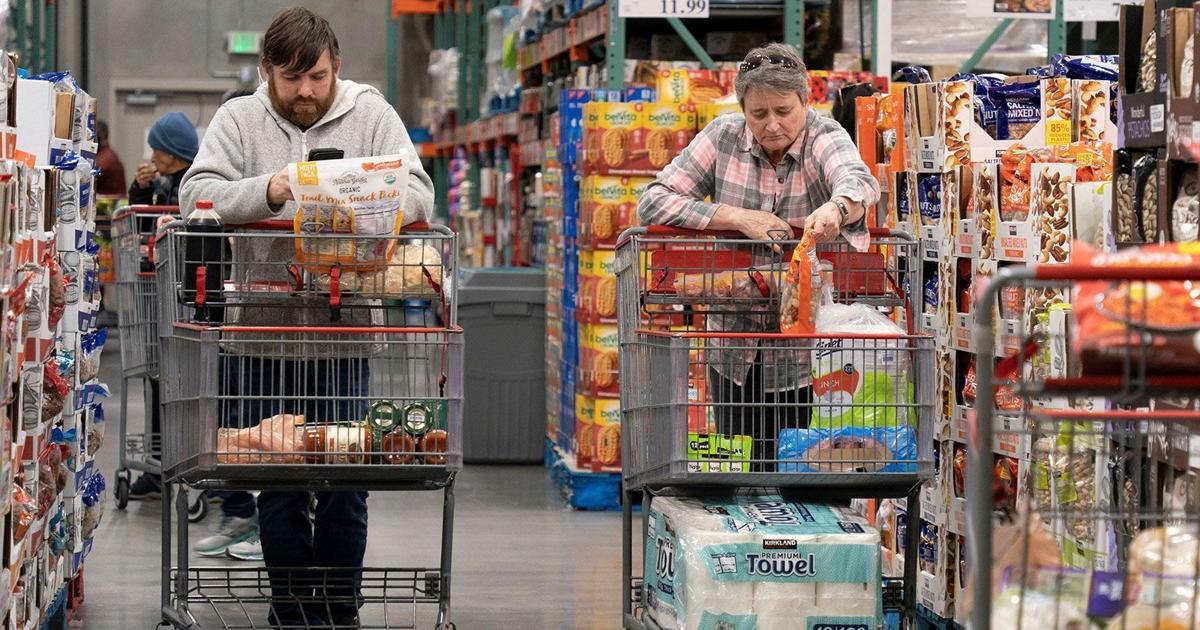
Meanwhile, Americans continue to feel the pressure of rising costs. A new AP-NORC survey finds most U.S. adults have noticed higher prices for groceries, electricity, and holiday shopping items. Roughly half of respondents say it is harder than usual to afford gifts or make major purchases, and many are delaying nonessential spending.
Businesses are also struggling with the effects of tariffs. Wolverine Worldwide, which produces footwear brands including Merrell and Saucony, faces an extra $10 million in tariffs this year and a projected $55 million next year. The company has raised some product prices by 5% to 8% and delayed hiring and capital investments. CEO Christopher Hufnagel cited uncertainty around tariff implementation as a major challenge.
“From a business leader’s perspective, it’s one thing if there’s bad news,” Hufnagel said. “Just tell me what the bad news is, and I’ll work to solve it. But the uncertainty of how tariffs are implemented makes planning extremely difficult, because scenarios can change overnight.”
As the holiday season approaches, Americans are feeling the combined effects of inflation, uncertainty, and the rising cost of living, even as official data shows a modest cooling in prices.